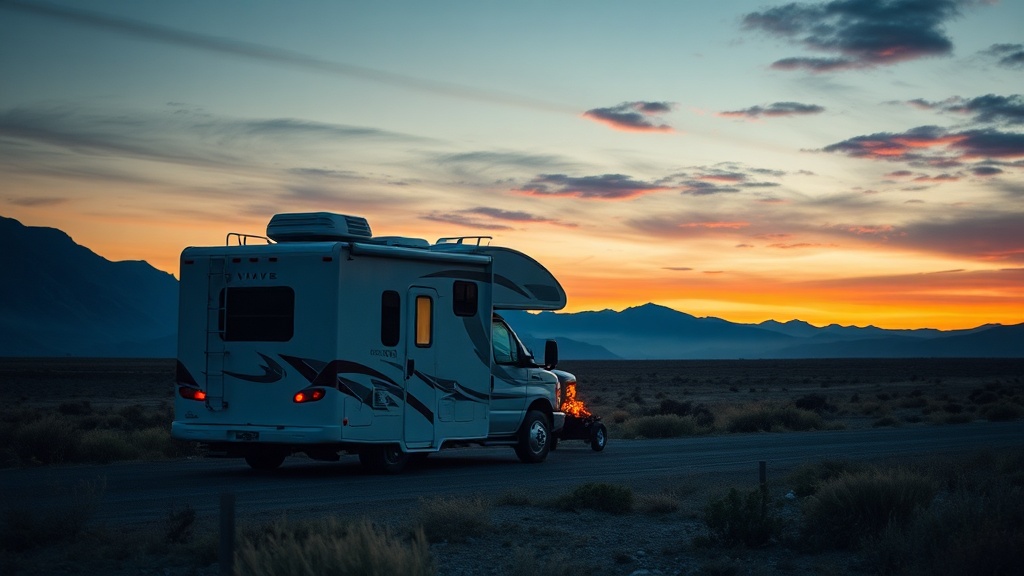
The Ultimate Guide to Planning Your First Cross-Country RV Adventure

Planning a cross-country RV adventure involves more than just picking a destination and hitting the road. This guide covers route planning, RV selection, budgeting, packing strategies, and campsite reservations — everything needed to transform a daunting undertaking into a smooth, memorable journey. Whether the goal is exploring national parks, visiting hidden small towns, or simply experiencing the freedom of the open road, proper preparation makes all the difference between a stressful trip and the adventure of a lifetime.
What Type of RV Should You Choose for a Cross-Country Trip?
Selecting the right RV depends on travel style, budget, and comfort requirements. The market offers several categories, each with distinct advantages and trade-offs.
Class A motorhomes represent the luxury segment — built on heavy-duty frames, these rigs offer residential-style amenities including full-size refrigerators, king beds, and sometimes even washers and dryers. That said, they consume significant fuel (often 6-8 MPG) and can be challenging to maneuver through tight mountain passes or crowded campgrounds.
Class C motorhomes strike a middle ground. Built on truck or van chassis, they provide adequate living space without the extreme bulk of Class A units. The distinctive cab-over bunk adds sleeping capacity, making them popular for families. Models like the Winnebago Minnie Winnie or Thor Four Winds consistently rank among reliable choices for first-time buyers.
Travel trailers and fifth wheels require a tow vehicle but offer flexibility — unhitch at the campsite and the truck becomes transportation for local exploration. Here's the thing: towing demands practice and confidence. Backing up, managing sway, and calculating combined weight ratings aren't skills developed overnight.
| RV Type | Price Range (New) | MPG/Fuel Cost | Best For |
|---|---|---|---|
| Class A Motorhome | $100,000 - $500,000+ | 6-10 MPG | Full-time living, luxury travel |
| Class C Motorhome | $75,000 - $150,000 | 10-15 MPG | Families, first-time RVers |
| Travel Trailer | $25,000 - $80,000 | Depends on tow vehicle | Budget travelers, flexibility |
| Class B (Camper Van) | $80,000 - $200,000 | 18-25 MPG | Solo travelers, couples, boondocking |
For cross-country beginners, a Class C motorhome between 24-30 feet often hits the sweet spot — manageable size, reasonable fuel consumption, and enough amenities for extended travel. Rental companies like Cruise America or Outdoorsy offer excellent opportunities to test different types before committing to a purchase.
How Much Does a Cross-Country RV Trip Actually Cost?
A realistic budget for a two-to-three-week cross-country RV journey typically ranges from $3,500 to $8,000 for two people — though costs can swing dramatically based on choices made before and during travel.
Fuel represents the largest variable expense. At current prices, crossing the United States (roughly 3,000 miles) in a motorhome averaging 10 MPG costs approximately $900-$1,200 in gasoline alone. Diesel pushers command higher per-gallon prices but often deliver better mileage and torque for mountain driving.
Campsite fees vary wildly. National park campgrounds might charge $20-35 per night for basic sites without hookups. Full-service RV resorts with pools, laundry facilities, and pull-through sites run $50-80 nightly. The catch? Popular destinations like Yellowstone or Yosemite book months in advance — sometimes a year ahead for peak summer dates.
Here's a realistic daily budget breakdown:
- Fuel: $50-100 (depending on daily distance)
- Camping: $35-65 (mix of public and private campgrounds)
- Food: $40-80 (groceries plus occasional restaurants)
- Activities/Attractions: $20-50
- Miscellaneous/Repairs: $15-30
Worth noting: RVShare and similar peer-to-peer rental platforms often include insurance and roadside assistance in their pricing — unexpected breakdowns in rural Nebraska aren't cheap. Setting aside an emergency fund covering at least $1,000 in potential repairs provides peace of mind.
Membership programs like Good Sam Club or Thousand Trails can reduce camping costs significantly for frequent travelers. Harvest Hosts — a network of wineries, farms, and breweries offering free overnight parking — adds unique experiences while stretching the budget.
What Should Be on Your Cross-Country RV Packing List?
Smart packing for RV travel balances preparedness with space constraints. Unlike car camping, there's room for comfort — but overloading affects handling, fuel economy, and even safety.
Kitchen equipment deserves priority attention. A well-stocked RV kitchen needs pots and pans with removable handles (save that precious cabinet space), a quality cooler or refrigerator organization system, and versatile appliances. The Instant Pot Duo earns its keep — pressure cooking, slow cooking, and sautéing in one device means fewer gadgets cluttering limited counter space. Don't forget basics: sharp knives, cutting boards, and a reliable coffee maker (morning routines matter on the road).
Power and connectivity gear keeps modern travelers functional. A surge protector (the Progressive Industries EMS-PT30X is widely trusted) protects the RV's electrical system from campground power fluctuations. Cell signal boosters like the weBoost Drive Reach RV extend connectivity in remote areas — critical for those working remotely or maintaining contact with family.
Safety equipment isn't negotiable. A comprehensive first-aid kit, fire extinguisher rated for Class B and C fires, carbon monoxide detector, and tire pressure monitoring system belong in every rig. Pack emergency food and water for at least three days — weather closures or mechanical delays strand unprepared travelers.
Personal items require ruthless curation. Clothing for variable weather (layering works better than bulky items), compact outdoor furniture, and quality hiking boots cover most scenarios. Leave the "just in case" items at home — Walmart exists in virtually every town along major routes.
How Do You Plan the Perfect Cross-Country Route?
The best cross-country routes balance driving distance with meaningful stops — nobody enjoys spending six hours daily behind the wheel without experiencing anything worth the journey.
Start with anchor destinations. Maybe it's the granite cliffs of Yosemite, the otherworldly landscapes of Utah's Mighty Five national parks, or the music culture of Nashville. Build the route around these must-see locations, then fill gaps with interesting detours and reasonable driving days.
Experienced RVers limit daily drives to 250-350 miles — roughly 4-6 hours depending on terrain. Here's the thing: mountains, construction zones, and the sheer physical demands of piloting a large vehicle exhaust drivers faster than typical car travel. Two-hour driving shifts between partners prevent fatigue.
Route planning tools simplify logistics. RV Life Trip Wizard factors vehicle dimensions into routing — no more white-knuckle moments discovering your 13-foot-tall rig won't fit through a low tunnel. Gaia GPS offers detailed offline maps for areas with spotty cell coverage.
Seasonal timing matters enormously. Summer in the Southwest means triple-digit temperatures and crowded national parks. Spring or fall delivers ideal conditions. Conversely, mountain passes close November through April — attempting a November crossing through the Rockies risks snowstorms and road closures. The Interstate 90 corridor through northern states shines July through September, while Interstate 10 through the South provides comfortable winter travel.
What RV Campground Reservations Should You Book in Advance?
Reservation strategy depends entirely on destination popularity and travel timing. National parks inside Yellowstone, Grand Canyon, or Zion require bookings 6-12 months ahead for summer visits — walk-up sites essentially don't exist during peak season.
That said, spontaneity isn't dead. National forests, Bureau of Land Management (BLM) areas, and dispersed camping locations offer free or low-cost alternatives without reservation requirements. Apps like Campendium and iOverlander reveal these hidden gems — often scenic, always affordable, sometimes lacking amenities like showers or dump stations.
Private campground chains including KOA, Jellystone Parks, and Thousand Trails provide consistency: full hookups, laundry facilities, pools, and kid-friendly activities. They're rarely scenic escapes — more like reliable infrastructure when batteries need charging and tanks need emptying.
Boondocking (camping without hookups) extends possibilities dramatically. Solar panels, larger battery banks, and water conservation techniques enable multi-day stays in stunning locations — think overlooking Canyonlands National Park or parked beside Arizona's Sedona red rocks. The learning curve exists, but the freedom justifies the effort.
"RV travel isn't about the destination — it's about reclaiming the journey. The best trips leave room for unplanned discoveries."
How Do You Handle RV Maintenance and Emergencies on the Road?
Mechanical issues derail trips quickly without preparation. A pre-departure inspection checklist prevents most roadside headaches.
Tires demand obsessive attention. Check pressure before every travel day — underinflated tires overheat and fail catastrophically at highway speeds. Inspect tread depth and sidewall condition regularly. The TST 507 Tire Pressure Monitoring System provides real-time alerts, potentially saving thousands in damage.
Basic tool kits handle minor repairs: screwdrivers, pliers, adjustable wrenches, duct tape, electrical tape, and spare fuses specific to the RV model. Learn where the water pump, water heater bypass, and electrical panel live before departure. YouTube tutorials exist for virtually every RV system — download them for offline reference.
Roadside assistance programs designed for RVs differ dramatically from standard auto coverage. Good Sam Roadside Assistance and Coach-Net understand RV-specific challenges: tow trucks large enough for motorhomes, mobile technicians for appliance repairs, and trip interruption coverage when campsites are missed due to breakdowns.
The reality? Something will go slightly wrong. The refrigerator might act up, the slide might stick, or the gray tank valve could leak. Roll with it — problem-solving becomes part of the adventure narrative. Keep the RV Repair Club website bookmarked and local dealer networks researched before entering remote areas.
Cross-country RV travel rewards the prepared and punishes the impulsive. Start planning six months before departure. Test the systems on shorter weekend trips. Join online communities — RV.net forums and Facebook groups offer crowdsourced wisdom from travelers who've already made (and learned from) the mistakes you're about to avoid.
The open road waits. Mountains, deserts, coastlines, and small-town diners promise experiences no hotel chain delivers. Pack wisely, plan thoroughly, then release the parking brake. Some of the best memories happen in the spaces between destinations — those unplanned evenings around a campfire, swapping stories with fellow travelers who've also discovered that home doesn't require a permanent foundation.