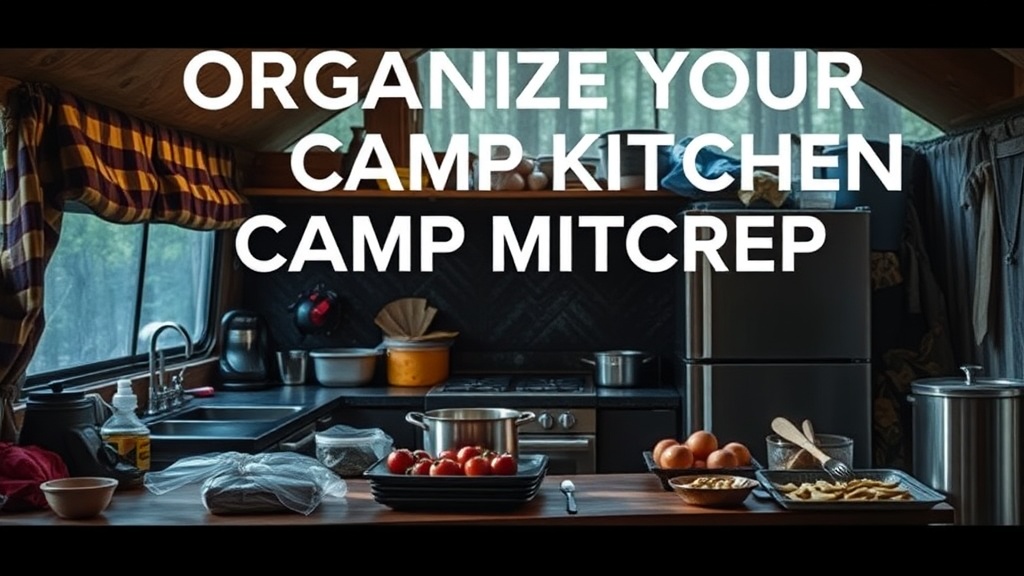
Organizing Your Camp Kitchen for Efficient Meal Prep

This post covers practical methods for organizing your mobile kitchen to maximize space, reduce clutter, and make cooking in small spaces much more efficient. Whether you are in a full-sized motorhome or a compact van, a functional kitchen setup determines how much time you spend enjoying the view versus wrestling with spilled spices or searching for a lost spatula.
Cooking on the road isn't quite the same as cooking in a stationary home. You have limited counter space, bouncing roads, and much smaller storage compartments. To keep things running smoothly, you need a system that prioritsizes accessibility and stability. We'll look at how to organize your gear, manage your pantry, and keep your workspace clean without the headache.
How can I organize small kitchen spaces in a van or RV?
The first rule of small-space cooking is verticality. If you only use your countertops, you'll quickly run out of room. Instead, look up. Utilizing magnetic strips for knives or small metal bins that hang from cabinet doors can save a huge amount of real estate.
Consider these specific organizational strategies:
- Magnetic Strips: These are lifesavers for heavy metal tools. They keep your knives away from other edges and clear up drawer space.
- Collapsible Items: Use silicone bowls, collapsible funnels, and nesting pots. These items take up far less room when they aren't in active use.
- Modular Bins: Instead of loose items floating in a drawer, use clear, stackable bins. This allows you to grab exactly what you need without digging through a pile of utensils.
One thing to keep in mind is the "shake factor." Everything in your kitchen needs to stay put while you're driving. Using non-slip liners in your drawers and cabinets—those rubbery mesh sheets—is a simple way to stop your spoons from rattling around or falling out when you hit a bump. It's a small change that makes a massive difference in your sanity during transit.
What are the best ways to store food in a mobile kitchen?
Food storage is often where RVers run into the most trouble. You aren't just dealing with shelf space; you're dealing with weight and temperature. If you're using a small fridge, you have to be even more strategic about what you carry.
A good way to manage your pantry is to move away from bulky original packaging. Most grocery stores sell items in boxes that are mostly air. Transferring grains, pasta, and spices into airtight, stackable containers makes your pantry more efficient. These containers also keep pests away and prevent leaks if something breaks.
| Storage Type | Best For | Pro Tip |
|---|---|---|
| Airtight Containers | Dry goods like rice, pasta, and oats | Stack them to save vertical space. |
| Soft-Sided Bags | Produce and bread | Use lightweight mesh bags to prevent bruising. |
| Hard Plastic Bins | Condiments and sauces | Keep them in a dedicated bin for easy retrieval. |
When it comes to fresh produce, remember that your fridge space is a premium resource. Many people find success by using a small cooler for highly perishable items like milk or eggs, leaving the more reliable fridge space for items that actually need constant cooling. This can help you manage your power draw on your battery bank during long stretches of driving.
How do I keep my kitchen clean while camping?
Cleaning in a small space is a constant battle against grease and grime. In an RV, a mess doesn't just stay in the kitchen; it spreads to your sleeping area and living space very quickly. Developing a routine is the best way to prevent this.
First, establish a "clean as you go" policy. While your pasta is boiling, wash the cutting board you just used. Don't wait until the meal is over to face a mountain of dishes. This keeps the workspace clear and makes the end-of-day cleanup much less daunting.
Secondly, carry a dedicated "wet kit." This should include a small spray bottle with a multi-purpose cleaner, a few microfiber cloths, and a small scrub brush. Having these readily available prevents a small spill from becoming a permanent stain on your countertop. If you're looking for more information on maintaining a clean environment in small spaces, the EPA provides great resources on managing household waste and cleaning products safely.
Lastly, manage your waste disposal. In a van or small RV, a full trash bin is a nightmare. Use a small, lidded bin that can be easily emptied. If you're camping in a way that requires more rugged waste management, checking out Leave No Trace principles is a great way to ensure your campsite stays pristine and you don't leave any impact behind.
Finally, don't forget your specialized gear. Your coffee maker, air fryer, or blender should have a designated home. If it doesn't have a home, it's just clutter. Assigning a specific spot to every single item ensures that you aren't searching for your coffee scoop at 6:00 AM when you're still half-asleep. A well-organized kitchen isn't just about neatness; it's about making your time on the road actually enjoyable.